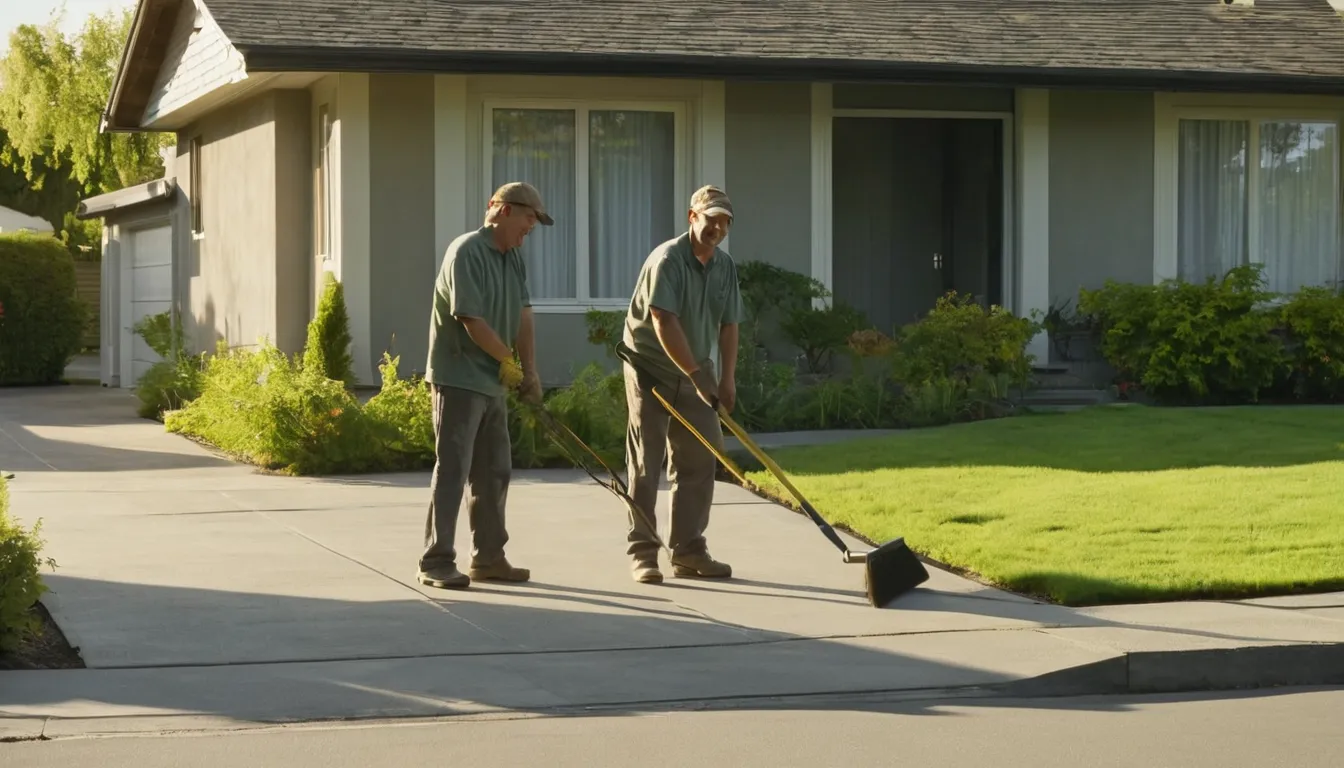
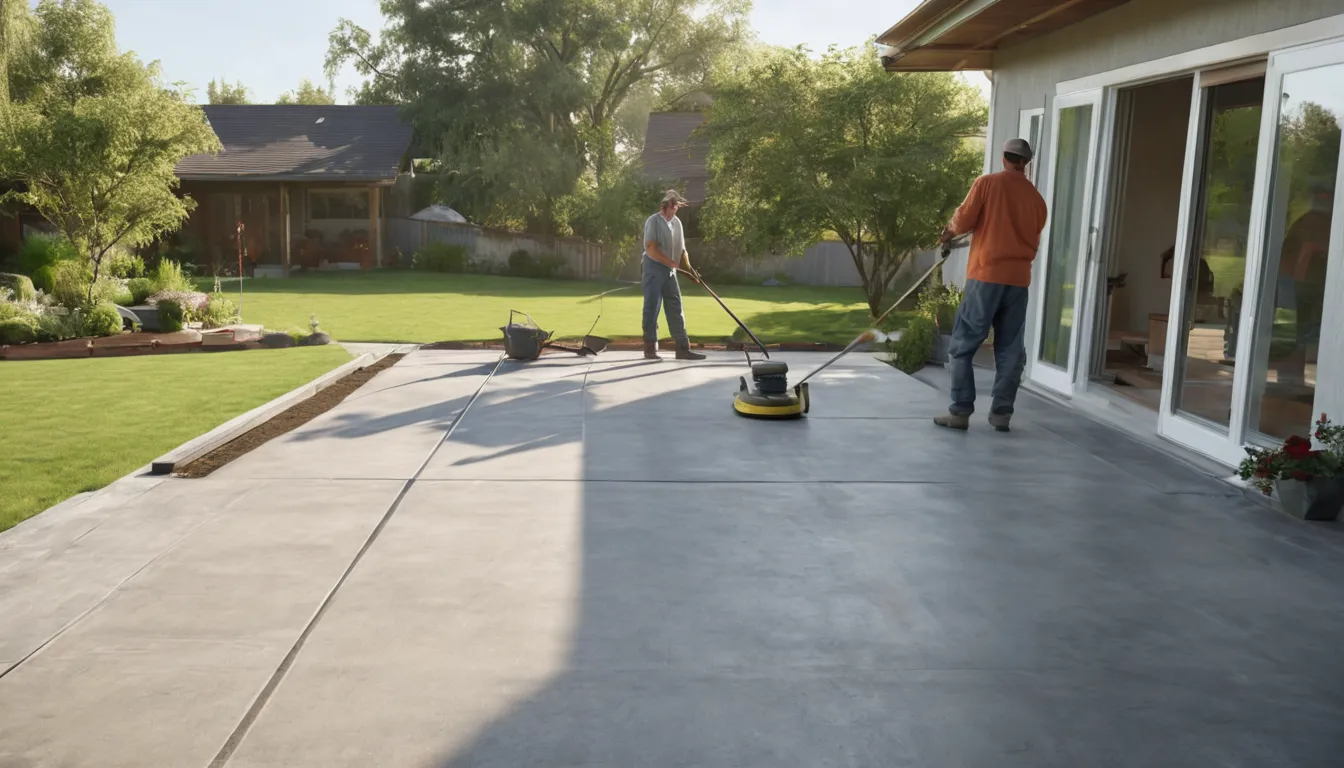
Your Concrete Gives Hints Before It Fails
A concrete slab rarely fails all at once. It gives hints first, much like a squeaky stair warns you before the board snaps. A hairline crack, a patch that holds puddles, or a corner that has started to sink are all small messages from the ground below.
Comfortablelegacy Concrete is a referral service for homeowners in Cahokia Heights, IL and the Cahokia Heights area who are planning new concrete. It connects you with independent local providers who pour driveways, stamped surfaces and patios. Comfortablelegacy Concrete does not pour the concrete. The providers in our network do the work, and they set their own scope and price.
If your current driveway or patio is showing early signs, this is a calm time to learn your options. Many homeowners start by asking about concrete driveway repair, then learn that a fresh pour is the more sensible choice for a worn slab. A provider can look at it and explain the difference.
Request a callback to check provider availability in your part of the Cahokia Heights area.
Request Service
Prefer to write it down? Use the request form instead, and a provider can reply when they are ready.
How It Works
A referral, not a contractor
Think of Comfortablelegacy Concrete as a friendly librarian. A librarian does not write the book. They know which shelf to walk you to. In the same way, Comfortablelegacy Concrete does not pour, stamp or finish any concrete. You share what you are planning, and you are connected with a local provider in our network who handles that kind of concrete flatwork.
The provider visits, measures and gives you a written quote. You decide whether to hire them. There is no obligation to move forward.
Why early signs matter
Concrete is hard, so it seems like it should last forever. But water is patient. It slips into a tiny crack, sits there, and widens it each time frost and thaw cycles come around. Think of a small chip in a car windshield. It is easy to ignore until one cold morning it spreads across the whole glass.
Watch for these early hints:
- Hairline cracks that are getting longer
- Flaking or rough patches on the surface
- Low spots where water pools after rain
- A slab edge that sits higher than its neighbor
Older homes and hidden surprises
Houses that have stood for many decades often have older concrete beside them. Past patches, thin pours, or fill soil that settled over time can hide under what you see. A bungalow walkway may sit on ground that was never packed firmly. A provider can check these things before a new slab goes down, so the surprises show up on paper instead of after the pour.
Serving Cahokia Heights and Nearby
Providers in our network work across Cahokia Heights, IL and the Cahokia Heights area, from older streets of frame houses to newer ranch-home neighborhoods. Local knowledge matters because the weather here is hard on concrete. Think of a slab as a stone sponge. It still drinks water, and winters with deep frost make that water push and pull on the surface.
Hot, humid summers add their own stress, since fast drying can cause surface cracks. Severe thunderstorms and hail can scar a finish, and spring flooding can soften the soil under a driveway. Homes with full basements and sump pumps also send water out near the foundation, so a careful provider thinks about where that water will go.
A local provider has seen how the ground behaves in Illinois. They know how deep to dig, how to slope a slab away from the house, and when to wait for better weather.
Ready to compare notes? Request an estimate and a provider in your part of the Cahokia Heights area can follow up.
Request Service
What to Watch For on Your Property
Hairline cracks
A thin crack is like a small tear in a sock. It may not matter today. But if it grows longer or wider over a season, water is getting in and the slab is moving. Take a photo now and compare it in a few months.
Pooling water and low spots
Concrete should shed water, not hold it. A shallow puddle that lingers after rain means the surface has settled or was never sloped well. Standing water speeds up flaking and can push moisture toward the house.
Sinking or tilting slabs
When one section sits lower than the next, the soil beneath has usually washed out or shifted. Think of a bookshelf on a soft rug. The shelf is fine, but the floor is not holding it evenly. Spring flooding and heavy rain often cause this.
Flaking and rough surfaces
A surface that peels or turns sandy has lost its top layer, often from winter moisture and de-icing salt. It is a sign the concrete is aging, and it can spread across the whole slab.
Past patches in older houses
If your home is many decades old, look for earlier repairs. Mismatched colors, thick seams and uneven edges can show that someone fixed a problem without fixing its cause. A provider can tell you whether the layers below are sound.
When patching stops making sense
Concrete driveway repair can buy time for a small flaw. But when cracks are wide, sections have sunk, or the surface is crumbling, a new pour is often the calmer long-term plan. Ask a provider to explain both paths.
Foundation clues versus flatwork
Cracks in a basement wall or doors that stick are a different matter. Those clues belong with foundation repair experts, who are separate from concrete flatwork providers. A driveway provider can still note drainage problems that put stress on your foundation.
Typical costs and written quotes
In the U.S., plain poured concrete often runs roughly $6 to $12 per square foot, while stamped work commonly costs more. Size, soil, thickness and old slab removal all change the total. Always ask for a written quote.
Start Your Request
Have a driveway or patio plan taking shape? Tell us about it, and we will point you toward a local provider in our network. You can also email contact@comfortablelegacy.surf.
Request a callback to check provider availability, or use the request form if you would rather write. Either way, there is no obligation, and you decide who to hire.
Request Service