Need stamped concrete in Cahokia Heights?
Planning a new driveway, stamped surface or patio? Send a request or email contact@comfortablelegacy.surf, and Comfortablelegacy Concrete will point you toward a local provider in our network.
No obligationRequest your stamped concrete estimate
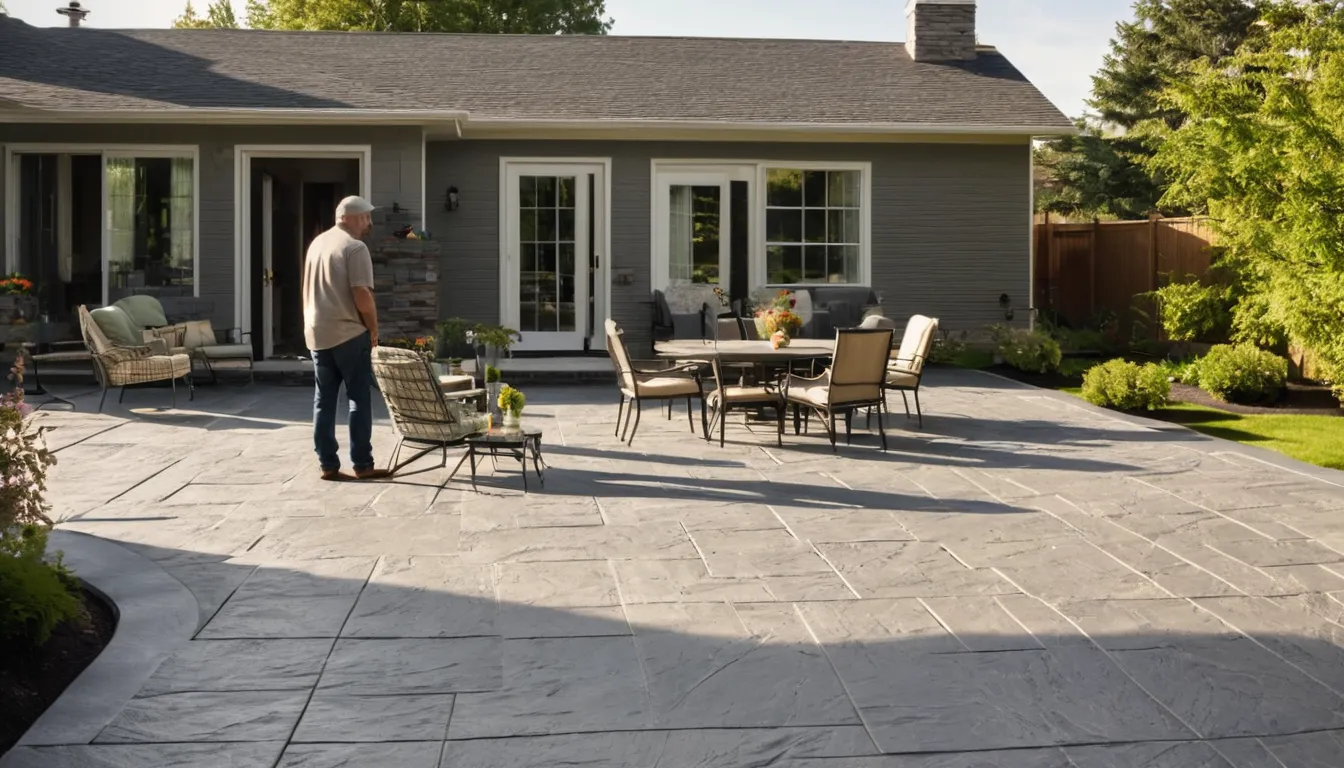
Stamped concrete starts as an ordinary poured slab. While it is still soft, a provider presses patterns into it and adds color, so the finished surface looks like slate, brick or wood. It is a popular way to dress up a patio, walkway or driveway without laying thousands of separate pieces. Older homes often suit softer stone or brick looks that blend with existing steps and siding.
Like any outdoor surface, it lasts longer when the ground underneath is ready. In areas with deep frost and spring moisture, the base matters as much as the pattern. Planning early also gives you time to spot trouble in an old slab first. Comfortablelegacy Concrete is a referral service that connects homeowners with independent providers in our network, so you can compare options and request an estimate with no obligation.
Stamped concrete is a regular poured slab that gets pressed with patterns while it is still soft, so it takes on the look of stone, brick or wood. Think of pressing a cookie cutter into dough. The dough stays the same, but the surface now carries a design. A provider in our network does the pouring, coloring and stamping. Comfortablelegacy Concrete helps you find one.
If you already have a slab or old steps, they often hint at what is coming. A smooth surface that now feels rough, a hairline crack, or a corner sitting a little lower than its neighbor are all early signs. Small signs, small projects. Noticing them before new work begins tells you whether the ground is ready.
Water is usually the quiet cause. Picture a sponge resting on a wet towel: the moisture creeps up and the sponge slowly breaks down. Soil under a slab behaves the same way. Where winters bring deep frost, damp soil freezes, swells and lifts the concrete, then settles back unevenly in spring. New stamped work over that kind of soil will repeat the movement.
Good work starts below the surface. A provider removes loose soil, spreads and packs gravel, and sets wooden forms in the shape of the patio. It is like laying a mattress on a bed frame. Any dip underneath shows up on top.
Color usually comes in two ways. It can be mixed through the whole batch, or dusted on the surface as a hardener. Many providers use both, so a small chip does not reveal a different shade underneath.
When the concrete is firm enough to hold a shape, rubber mats are pressed in. A release powder keeps them from sticking and adds soft shade changes. Timing matters, much like making a handprint in drying clay. Thin joints are then cut so the slab can crack along a planned line instead of a random one. After curing, the surface is washed and sealed, and the sealer works like a clear raincoat.
Ashlar slate, cobblestone, running-bond brick and wood plank are common choices. Bungalows and ranch homes often suit quiet stone or brick looks, while a plank pattern can warm up a plain backyard. Earth tones such as tan, gray and charcoal hide dust and rain spots. Sun fades color slowly, the way a favorite shirt fades on a clothesline, so a good sealer helps. Look at color samples outdoors, because indoor light can fool you.
Patios are the usual use for stamped concrete. Walkways, pool surrounds and entry landings take the pattern well too. Because it is concrete flatwork, it suits level, well-drained spaces. Low, soggy corners of a yard may need drainage work first.
Houses that have stood for many decades carry history under the yard. There may be an old patched step, a buried pipe, a sump pump discharge line or fill soil of unknown quality. Renovating around these is like opening a wall in an old kitchen: surprises are common, and good providers expect them. If a nearby slab tilts toward the house, or you see cracks in a foundation wall, ask foundation repair experts to look first. Then plan the new surface on solid footing.
One is a single sheet and the other is many tiles. Think of a tablecloth compared with a floor of separate tiles. Stamped concrete has few seams, so weeds have little room to grow. If it cracks, though, a repair can show. Pavers can be lifted and reset one at a time when frost moves them, but the joints need occasional care. Neither is wrong. The right pick depends on your soil, your budget and the look you want.
Most patio projects involve a few days of on-site work, then curing time. Concrete is like bread dough. It needs time to set, no matter how hungry you are. Foot traffic is often fine after a few days, and vehicles need longer. Spring flooding, storms or heat waves can shift the schedule. Request a callback to check provider availability and a realistic timeline for your yard.
Wash the surface with mild soap and a soft broom. Use a plastic shovel in winter and skip rock salt, since harsh deicers can flake the top layer. Hail and heavy storms are hard on any outdoor surface, so look it over after big weather. Water that beads up shows the sealer is working, like wax on a clean car. If water darkens the surface and soaks in, resealing is likely due, commonly every few years. Plan before it fails.
Ask to see finished projects that are a few years old, not just fresh ones. Age shows how color, joints and sealer hold up.
Ask for a written quote that lists size, pattern, color, base work and sealer. Compare the details, not only the total.
Pick from slate, brick, cobblestone or wood plank looks that suit your home.
Providers prepare packed gravel and shaped forms so water drains away from the slab.
Color is mixed in or added to the surface so the finish looks natural.
A sealer coat protects the finished surface after the slab has had time to cure.
These are typical U.S. ranges and they shift with size, soil, pattern and local labor. Use them as a starting picture, then get a written quote from a provider before you decide.
| Item | Typical range | Notes |
|---|---|---|
| Stamped concrete, per sq. ft. | $12 – $25 | Pattern and color choices move the price |
| Small stamped patio (200 sq. ft.) | $2,400 – $5,000 | Size and access matter |
| Base prep and drainage | $1 – $4 per sq. ft. | Soft or wet soil costs more |
| Old slab removal | $2 – $6 per sq. ft. | Thick or patched slabs take longer |
| Borders and accent patterns | $2 – $6 per sq. ft. | Detail work adds labor |
| Resealing every few years | $1 – $3 per sq. ft. | Depends on sealer and wear |
Tell us the space, the look you like and any cracks or low spots you have noticed.
Comfortablelegacy Concrete connects you with an independent provider in our network who works near you.
Compare the base work, pattern, color and sealer listed, not only the total.
Agree on timing with the provider, then let the slab cure before heavy use.
Guidance on spotting small slab problems before they shape your new project.
Independent providers in our network pour stamped surfaces in your area.
Tips for past patches, aging slabs and hidden surprises under old yards.
Calm, simple explanations so you can compare quotes with confidence.
Planning a new driveway, stamped surface or patio? Send a request or email contact@comfortablelegacy.surf, and Comfortablelegacy Concrete will point you toward a local provider in our network.
No obligationTypical U.S. prices run about $12 to $25 per square foot, depending on pattern, color, base work and local labor. Complex designs and old slab removal raise the total, so get a written quote.
With a sound base, proper joints and regular resealing, stamped concrete often lasts for decades. Frost, de-icing salts and a neglected sealer shorten that. Watch for dull spots and hairline cracks, and ask a provider about small fixes early.
It can be, especially with a glossy sealer. Ask the provider about a slip-resistant additive, and choose a textured pattern for areas near steps, pools or places that stay damp.
Planning a new driveway, stamped surface or patio? Send a request or email contact@comfortablelegacy.surf, and Comfortablelegacy Concrete will point you toward a local provider in our network.
No obligation