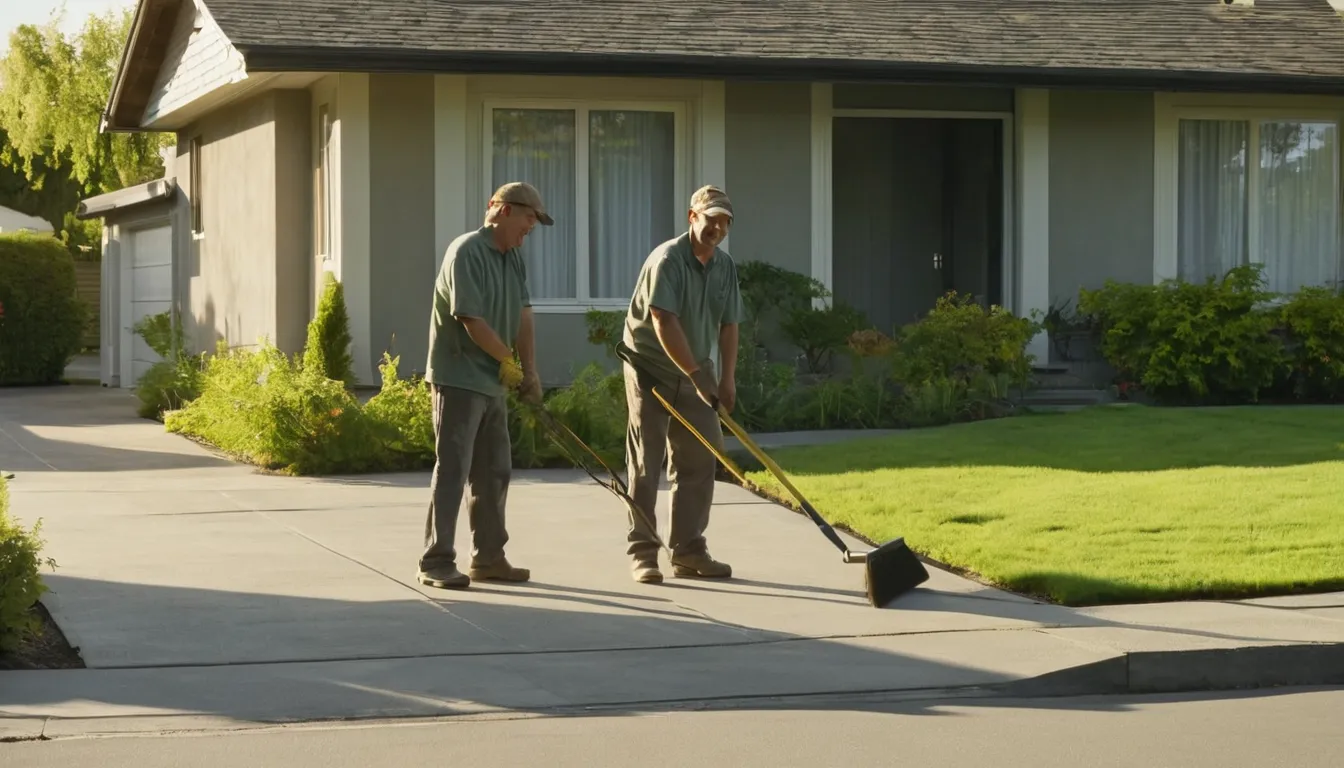
A concrete driveway is a big slab that works hard. It carries cars, shrugs off rain and takes a beating from winter frost. When it starts to crack, sink or flake, it is telling you something about the ground and water beneath it.
Comfortablelegacy Concrete is a referral service. We do not pour concrete. We connect homeowners in the Cahokia Heights area with independent local providers who install new and replacement driveways. This page explains the early warning signs, what a project includes, how to choose size and finish, and what to ask before you hire. Read it first, then request an estimate when you are ready.
Read the slab early
A driveway rarely fails all at once. Think of a tire with a slow leak. It looks fine for weeks, and then one morning it is flat. Concrete gives hints in much the same way, and they are easy to miss when you only glance at the drive while backing out. Small signs, small projects. This page goes through those signs from most urgent to least urgent, then explains what a new driveway involves.
Signs that need attention first
Water running toward the house
If rain or snowmelt now flows toward your garage or foundation instead of away from it, treat that as the top concern. Water is like a patient visitor who keeps knocking at the weakest door. In homes with full basements and sump pumps, that water can end up in the pit below. A driveway provider can check the slope. If the foundation itself looks affected, foundation repair experts are a separate trade to consult.
Sunken or rocking slabs
When soil washes out from under a slab, the concrete loses its support, like a table with one short leg. A slab that dips, rocks or sits lower than its neighbor can trap water and create a trip point. Spring flooding and heavy storms speed this up.
Wide cracks and stepped edges
A hairline crack is like a wrinkle. A crack you can slide a coin into, or one where one side sits higher than the other, is more like a torn seam. Deep frost lifts the ground in winter, and the two sides drift apart.
Flaking, pitting and crumbling
Surface flaking happens when water soaks into the top layer, turns to ice and pops off tiny pieces. Picture a cookie left out in the rain. De-icing salt makes the process faster.
Hairline cracks and stains
These are the gentlest signs. Take a photo, then compare it next season. If nothing changes, you have time to plan.
Request Service
Older homes: past patches and hidden surprises
A driveway beside a house that has stood for many decades often carries layers of history. There may be old patches, a thin original slab, or fill soil that was never packed down well. It is like a coat mended many times. Each mend worked, but the cloth around it kept tiring. Providers may find old gravel, buried lines or a base that has settled. Ask them to explain what they find under the old slab and to show you photos. Bungalows and ranch homes often have narrow drives poured when cars were smaller, so width is worth a second look.
Repair or replace?
Concrete driveway repair makes sense when damage is limited, such as a few narrow cracks or one chipped corner. It is like filling a single pothole. Once most of the road is rough, patching stops making sense. A common rule of thumb is that when about a third of the surface is cracked, sunken or flaking, replacement often costs less over time than repeated patching. This service focuses on new and replacement driveways.
What a new driveway project includes
The work usually follows a clear order, and the provider handles every step:
- Removing and hauling away the old slab
- Grading the ground so water moves away from the house
- Spreading and packing a gravel base
- Setting forms, plus rebar or wire mesh for strength
- Cutting or tooling control joints so cracks follow neat lines
- Pouring, finishing and curing the concrete
Choosing size, thickness and finish
A one-car drive is often 10 to 12 feet wide, and a two-car drive is often 18 to 24 feet. Thickness matters as much as width. Four inches suits most cars, while five or six inches suits heavy trucks and RVs. Think of it as choosing shoe soles: thin ones wear through faster under a heavy load. In a climate with hard frost, ask about an air-entrained mix, which has tiny bubbles that give ice room to expand. A broom finish gives grip when it is wet or icy, while smoother or decorative finishes look sharper but can be slicker.
Permits and the street apron
The apron is the sloped section where your driveway meets the street or sidewalk. It sits on public land, so it often has its own rules, like a shared fence between neighbors. Many towns require a permit and set limits on width and slope. Ask the provider who applies for the permit, and check with your local building office if you are unsure.
Choosing a provider
A written quote is your clearest map of the job. It should list thickness, base depth, concrete strength, reinforcement, joints, removal and drainage. Ask about insurance and any local licensing, and ask to see photos of past driveways. Compare what each quote includes, not only the final number. Request a callback to check provider availability in your area.
Request Service
After the pour
Fresh concrete is like bread cooling on a rack. It looks done, but it is still firming up inside. Foot traffic is usually fine after a day or two, cars after about a week, and heavier vehicles after about four weeks. Keep de-icing salt off the surface through the first winter. Sealing is often done after the concrete has cured, so ask your provider about timing.
Plan before it fails
You do not need to wait for a big failure. If your drive shows several of these signs, or you live in an older house with a patched slab, a quote now is easier than an emergency later.
Request Service
What's Included
Old Slab Removal
Providers break up the worn concrete and haul it away, so the new pour starts clean.
Grading and Base
The ground is shaped and packed with gravel so water drains away and slabs stay supported.
Forms and Reinforcement
Wood forms, rebar or mesh, and joints are set to control strength and cracking.
Pour, Finish, Cure
Concrete is placed, smoothed, textured and left to harden properly before use.
Typical Concrete Driveway Costs in the U.S.
Prices vary with size, soil, access and finish. These are general U.S. ranges, so always ask for a written quote that lists every part of the job.
| Item | Typical range | Notes |
|---|
| Standard plain driveway | $6 – $12 per sq ft | Broom finish, 4 inch thickness, basic reinforcement |
| Old slab removal | $2 – $6 per sq ft | Higher for thick or heavily patched concrete |
| Base prep and grading | $1 – $3 per sq ft | Sloped or soft ground can raise the price |
| Decorative finish or color | $10 – $18 per sq ft | Exposed aggregate or tinted mixes cost more |
| Permit and street apron work | $100 – $1,000 | Rules and fees differ by town |
| Drainage additions | $500 – $3,000 | Trench drains or regrading near the house |
Request Service
How It Works
Note the Signs
Walk the drive, take photos of cracks, dips and flaking, and note where water goes.
Request an Estimate
Tell us about your driveway and a local provider in the network will reach out.
Compare Written Quotes
Check thickness, base, drainage, removal and finish, not just the final price.
Schedule Your Pour
Agree on dates, permit duties and cure time so the new slab gets a good start.
Why Call Comfortablelegacy Concrete
Plain Explanations First
Each page explains why concrete cracks, sinks and flakes, so you know what to ask.
Local Providers
You are matched with independent providers who work in your area and know local conditions.
Older Home Awareness
Past patches and hidden base problems are part of the conversation, not a surprise later.
No Obligation
Requesting an estimate is a simple step, and you decide whether to move forward.
Other Services